

Let’s make it clear: women do not need more confidence.

It is not women who are the problem, it is the way many workplaces and broader social expectations shape how women are heard, supported, and evaluated. Conversations about confidence often suggest that women need to speak up more, take more risks, or project themselves differently. While these behaviours can be useful, they also overlook the bigger reality: confidence is influenced far more by the conditions people work in than by personal mindset alone.
Confidence grows when people have the right support around them. When workplaces set clear expectations, provide genuine opportunities and treat people fairly, confidence develops more naturally. When these elements are missing, even highly capable women can hesitate, not because they lack talent, but because the environment does not reinforce their contribution.
Confidence grows through environment and experience
Research from Manatū Wāhine Ministry for Women shows that confidence is shaped by everyday workplace experiences, particularly who is heard, supported, and progressed. When people receive clear information, consistent feedback and the chance to develop, they tend to contribute more openly. When expectations are unclear or when access to development feels uneven, confidence often declines.

Findings from Gender Equal NZ’s 2025 Gender Attitudes Survey, led by Te Kaunihera Wāhine o Aotearoa | The National Council of Women of New Zealand, support this broader picture. The survey — a nationally representative study of 1,250 New Zealanders — highlights how gender stereotypes and social conditioning persist from an early age, shaping behaviour long before people enter the workforce. Gendered expectations about roles, tasks, and personal traits are reinforced through upbringing, education, and the wider social environment. These differences reflect culture, not capability, reinforcing that women are not the issue; the environments around them are.
This is further supported by Motu Economic and Public Policy Research’s Gendered Parenting and the Intergenerational Transmission of Gendered Stereotypes, which used data from the Growing Up in New Zealand longitudinal study. While parents in Aotearoa generally treat boy and girl children similarly, the research found that external structural factors — outside any individual’s control — play a primary role in perpetuating gender inequality. These influences develop long before the workplace, reinforcing that confidence gaps between men and women are shaped by environment and experience, not innate difference.
Women commonly face challenges such as fewer stretch opportunities, less recognition, and more comments about tone or personality. Over time, these experiences influence how comfortable someone feels contributing, even when they are highly capable. This response has less to do with individual confidence and more to do with the environment shaping their experience.
The confidence double bind
Women are often encouraged to be confident, but confident behaviour is not always received consistently. A direct comment may be labelled abrupt, an assertive decision judged harshly, and a request for clarity interpreted as reluctance. This inconsistency creates a double bind, making confidence something to manage carefully rather than express naturally.
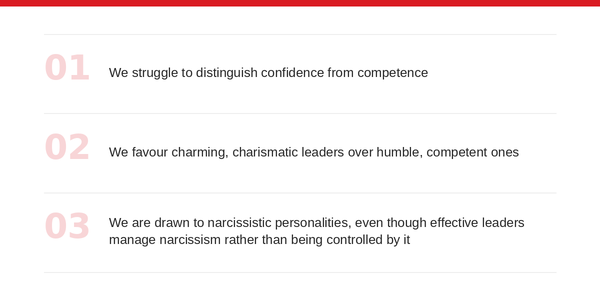
Higher confidence does not mean higher competence. Organisational psychologist Tomas Chamorro-Premuzic, who has researched gender, personality, and leadership, explores this in his book Why Do So Many Incompetent Men Become Leaders? He highlights three reasons why confidence can be misleading in leadership:
Watch his TED Talk to learn more
Confidence is not something women need to fix. It is shaped by the culture, structures, and everyday experiences around them. From early social cues to workplace practices, these factors influence who is heard, supported, and recognised.
Understanding these challenges is the first step. In the next blog, we will look at what leaders and workplaces can do to create the conditions where confidence can grow and everyone’s contribution is valued.